Commercial Concrete
Durable Surfaces for Light Commercial Use
Commercial Concrete in Seattle for parking areas, walkways, and loading zones that handle daily traffic and weather exposure
HOFFMAN CUSTOM CONCRETE pours commercial concrete for small business properties, office complexes, and retail sites in Seattle and surrounding areas when you need parking surfaces, sidewalks, or access drives that withstand vehicle loads and foot traffic without frequent maintenance. You require a slab that meets local codes for thickness, slope, and accessibility, and you want it finished on schedule so your operations are not disrupted longer than necessary. This work applies to new construction, tenant improvements, and replacement of deteriorated asphalt or concrete that no longer drains or supports loads safely.
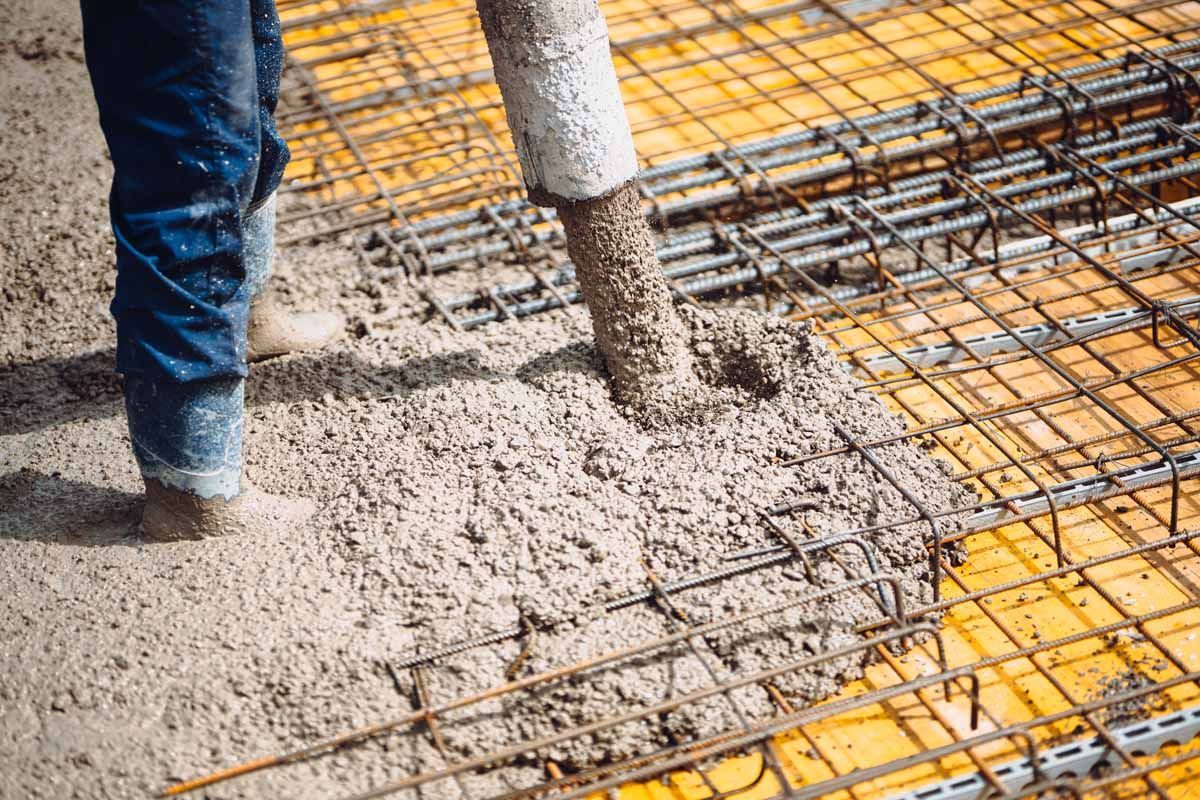
The process involves site excavation, grading for proper drainage, placement of compacted base rock, and pouring concrete to the thickness required by the expected load and local building standards. For parking areas, this typically means six inches or more, reinforced with rebar or wire mesh to handle repeated vehicle weight. In Seattle's wet climate, the slope and drainage design prevent water from pooling in parking stalls or along walkways, which reduces freeze-thaw damage and extends the life of the slab. Control joints are cut to manage cracking, and edges are formed or saw-cut to create clean transitions at curbs and landscaping.
Contact us to discuss your project timeline, site conditions, and any accessibility or code requirements that apply to your commercial property.
What Your Property Gains From Poured Commercial Slabs
Your completed parking area or walkway presents a level, properly sloped surface that directs water toward drains or landscape edges, eliminating puddles that reflect headlights or create slipping hazards. Vehicles park on a stable plane that does not rut or develop potholes, and pedestrians cross walkways that remain even and free of tripping hazards. The concrete cures to a finish that resists oil stains better than asphalt and shows clearly marked lines for parking stalls, accessible routes, and loading zones.
HOFFMAN CUSTOM CONCRETE coordinates with striping contractors and ensures that slopes meet Americans with Disabilities Act standards where required, so your property complies with local accessibility codes from the day it opens. Joints are tooled or saw-cut at intervals that prevent random cracking, and any required surface texture for traction is applied during finishing. The slab thickness and reinforcement match the loads you specified, whether that means employee vehicles, delivery trucks, or occasional heavy equipment access.
The work includes excavation, base preparation, forming, pouring, finishing, joint cutting, and cleanup. It does not include utility relocation, removal of contaminated soil, or extensive site regrading beyond what is needed to establish proper drainage for the concrete. If your project requires coordination with other trades or phased construction to keep part of the property accessible during the work, that is planned in advance. Concrete finishing options for commercial slabs include broom finish for traction, troweled surfaces for smoother appearance, or exposed aggregate for decorative areas.
Questions About Repairing Existing Concrete
Questions typically focus on load capacity, curing time, and how the work affects business operations during installation.
- How thick does commercial concrete need to be? Parking areas for cars typically require six inches of concrete over compacted base, while truck loading zones may need eight inches or more depending on the weight and frequency of vehicles.
- How long before the slab can handle traffic?
Light foot traffic is safe after 24 to 48 hours, but vehicles should stay off the concrete for at least seven days to avoid surface damage, with full strength reached after 28 days.
- What reinforcement goes into a commercial slab?
Rebar or welded wire mesh is placed within the concrete to control cracking and distribute loads, with spacing and size determined by the engineer or local code requirements for your use case.
- How do you manage drainage on a flat site? The slab is poured with a minimum slope, usually one to two percent, directing water toward catch basins, curbs, or landscaped areas so it does not pool on the parking surface.
- Why choose concrete over asphalt for commercial parking? Concrete lasts longer under consistent traffic, resists oil and fuel stains better, requires less frequent maintenance, and meets accessibility standards more reliably for smooth, stable surfaces in Seattle's wet climate.
If your commercial property needs a parking area, walkway, or access drive that meets load requirements and local codes, reach out to HOFFMAN CUSTOM CONCRETE to schedule a site review and project estimate in Seattle.