Custom Concrete Design
Protection That Handles Decades of Weather
Roofing in Under services for properties exposed to seasonal storms, temperature swings, and long-term structural wear
A roof replacement or major repair changes how your property sheds water, manages wind uplift, and protects interior spaces from temperature extremes. HOFFMAN CUSTOM CONSTRUCTION LLC handles roofing projects in Under services where structural integrity and material performance determine whether a building stays dry through years of exposure. You need this service when shingles lift or crack, when flashing separates around penetrations, or when the decking beneath the surface layer shows signs of moisture damage.
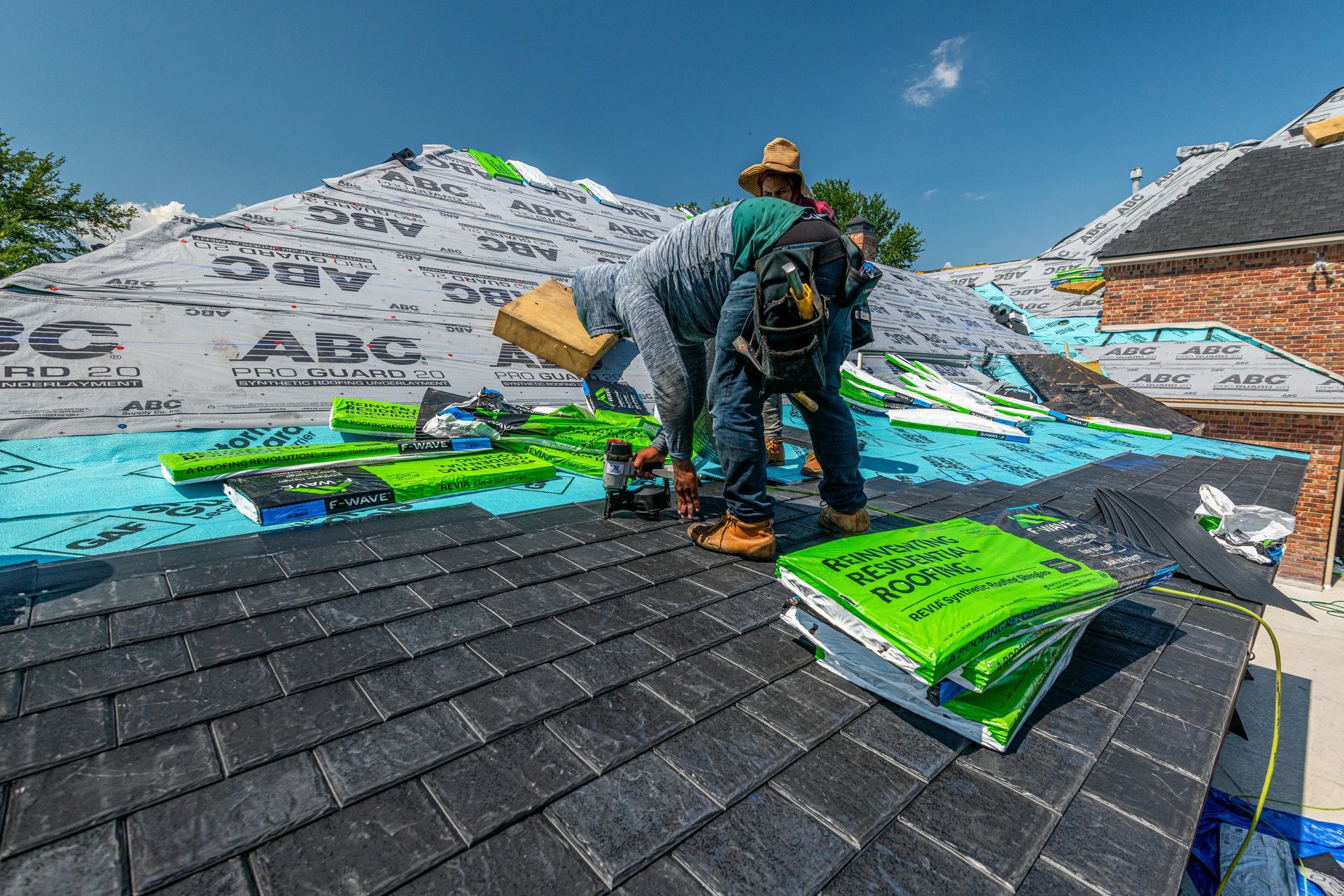
Roofing work involves removing compromised layers, inspecting and repairing the structural deck, installing underlayment that blocks wind-driven moisture, and securing new shingles or panels according to manufacturer specifications and local wind load requirements. In regions with freeze-thaw cycles, ice dam formation along eaves can force water under shingles, making proper ventilation and attic insulation as important as the roofing material itself. The process also addresses flashing at chimneys, skylights, and valleys where two roof planes meet, since these junctions account for most leak points.
Request a roof inspection to identify current damage and project remaining service life based on material condition.
What Proper Roofing Work Requires
You start by assessing the existing deck for rot, warping, or fastener withdrawal, since no roofing material performs well over compromised sheathing. Underlayment installation follows strict overlap patterns to prevent water infiltration during storms, and starter strips along eaves prevent wind from lifting the first course of shingles. Fastener placement matters because overdriven nails break the shingle seal, while underdriven nails allow movement that accelerates wear.
After completion, you notice that water runs cleanly off the roof without pooling, gutters catch flow without overflow at valleys, and attic temperatures stabilize because ventilation now functions as designed. Interior ceilings no longer show staining, and during heavy rain you hear consistent runoff rather than the drip patterns that indicate leaks. The roofline appears uniform without the wavy sections that signal decking failure or improper fastening.
Quality roofing includes drip edge installation to protect fascia boards, proper valley treatment using either woven or metal methods depending on roof pitch, and ridge venting that balances intake soffit vents to prevent moisture accumulation in attic spaces. Some projects require tear-off to the deck, while others allow overlay if only one layer exists and the deck remains sound, though overlay limits your ability to inspect and repair underlying issues.
Questions Before Starting Your Project
Property owners in Under services often ask about timing, material longevity, and what affects project scope.
- What determines whether a roof needs full replacement or partial repair?
The extent of decking damage, the number of existing layers, and whether leaks stem from isolated flashing failure or widespread shingle deterioration guide this decision, with full replacement necessary when more than thirty percent of the surface shows compromise.
- How does local climate affect roofing material selection?
Areas with high wind exposure require shingles rated for higher wind speeds and specific fastening patterns, while regions with significant temperature variation benefit from materials with thermal expansion tolerances that prevent cracking during freeze-thaw cycles.
- What happens to the existing roof during removal?
Crews strip old shingles and underlayment down to the decking, inspect each sheet of sheathing for damage, replace compromised sections, and clean the surface before installing new underlayment and roofing material.
- Why do some roofs fail prematurely even with quality materials?
Inadequate attic ventilation traps heat that accelerates shingle aging, improper fastening allows wind to lift edges, and missing or damaged flashing lets water reach the deck where it causes rot that spreads beyond the visible leak point.
- When should you schedule roofing work for best results? Moderate temperatures allow proper sealant activation and shingle adhesion, while avoiding extreme cold that makes materials brittle or high heat that causes premature softening, though emergency repairs proceed regardless of season when active leaks threaten interior damage.
HOFFMAN CUSTOM CONSTRUCTION LLC provides roofing services that address both visible damage and the underlying structural conditions that determine long-term performance. Arrange an on-site evaluation to review your roof's current condition and discuss material options suited to your building's exposure.