
Paver Installation
Individual Units That Allow Repair Flexibility
Paver Installation in Seattle for projects that require pattern options and future access to underlying utilities
HOFFMAN CUSTOM CONCRETE installs pavers for driveways, patios, and walkways in Seattle and surrounding areas when you prefer a surface made of individual units rather than a single poured slab. You gain the ability to lift and replace specific pavers if a utility line underneath needs service, and you choose from a variety of colors and shapes that allow patterns not possible with poured concrete. This work applies to new installations and to replacements where asphalt or old concrete no longer performs as needed.
The process begins with excavation to the required depth, followed by placement of compacted base rock and a layer of bedding sand that allows the pavers to settle evenly. Each paver is set by hand in the chosen pattern, then the entire surface is compacted with a plate tamper to lock the units together. Joint sand is swept into the gaps between pavers and compacted again to prevent shifting. In Seattle's climate, proper base drainage keeps water from undermining the sand layer, which would otherwise cause pavers to dip or spread apart over time.
Reach out to discuss your site layout, the function you need the surface to serve, and the design details that matter to you.
How the Finished Surface Differs From Poured Concrete
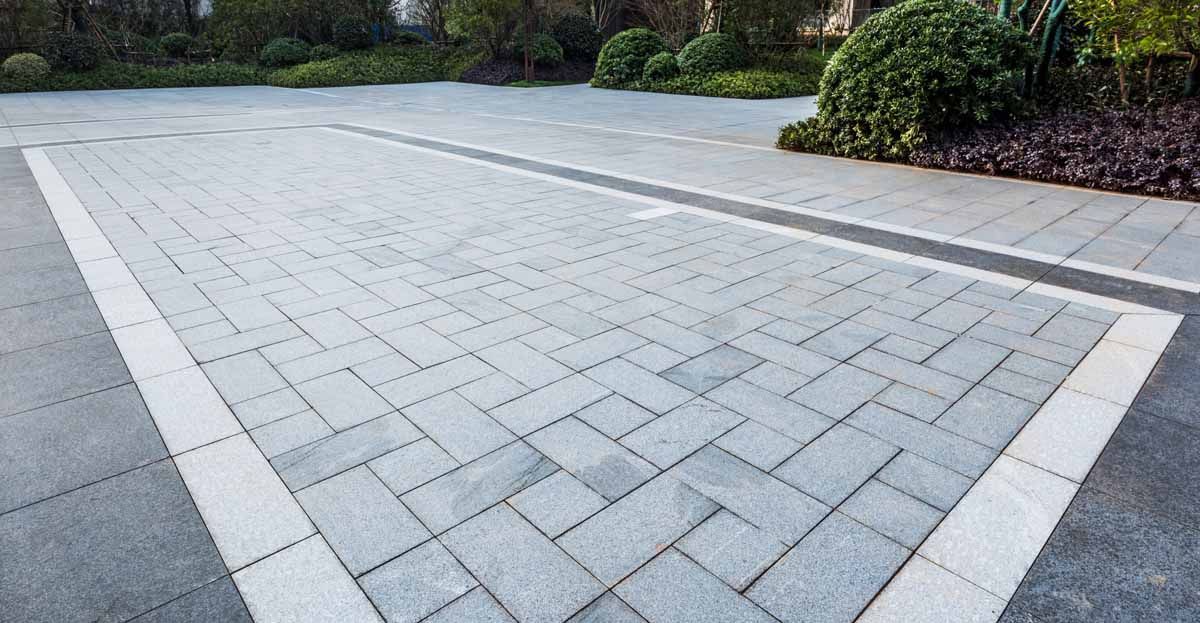
Your completed paver installation presents a uniform pattern across the surface, with each unit sitting level and tight against its neighbors. You see defined lines where different colors or shapes create borders or geometric designs, and the joints between pavers remain filled with sand that prevents weeds from rooting while allowing minor movement without cracking. Water drains through those joints into the base layer rather than pooling on the surface, which reduces standing water after rainstorms.
HOFFMAN CUSTOM CONCRETE ensures that edge restraints are installed along the perimeter to prevent pavers from creeping outward under traffic, and the surface is compacted thoroughly so you do not feel individual units rock or shift when walked or driven on. If a paver chips or stains years later, you can remove that single unit and replace it without disturbing the rest of the surface. The bedding sand allows for slight adjustments during installation, so the final plane is level even if the underlying grade varies.
The work includes excavation, base preparation, paver placement, edge restraint installation, joint sand application, and compaction. It does not include removal of large roots, regrading of slopes that exceed the site conditions pavers can accommodate, or sealing of the surface unless specified. Pavers are available in concrete and clay varieties, each with different maintenance characteristics and color retention over time.
What Homeowners Ask About Paver Systems
Questions often focus on how pavers compare to poured slabs in terms of durability and long-term maintenance in Seattle's wet environment.
- What keeps pavers from shifting apart over time? Edge restraints made of plastic or metal are staked along the perimeter, and joint sand locked between the units by compaction holds them in place once the surface is fully tamped.
- How deep does the base need to be? For driveways, the base typically extends eight to twelve inches below finished grade, with layers of compacted rock and sand, while walkways and patios may require six inches depending on soil conditions.
- Why would you choose pavers over poured concrete? Pavers offer individual replaceability, a wider range of colors and patterns, and better drainage through the joints, making them suitable for areas where utility access may be needed or where design flexibility matters.
- How does Seattle's rain affect paver installations? Water drains through the joints into the base layer rather than sitting on the surface, which reduces freeze-thaw damage, but the base must be properly graded and compacted to prevent the sand from washing out during heavy rainfall.
- What happens if one paver cracks? You lift the damaged unit, remove the bedding sand underneath, set a new paver in its place, refill the joints, and compact the area without disturbing adjacent units.
If you want a surface with design flexibility and the ability to make localized repairs without replacing entire sections, contact HOFFMAN CUSTOM CONCRETE to review your project requirements and schedule a site visit in Seattle.